Main Page
Welcome to the SpeedSolving.com Wiki!
Learn about speedsolving the Rubik's Cube and other twisty puzzles on this wiki. Built to complement our community of 50,000+ solvers, this wiki has tutorials, methods, records, and articles on puzzle solving. The 1,645 articles contain information on getting faster as well as on various aspects of speedcubing and the Speedsolving.com community.
Speedsolving.com Wiki is made by people like you. Sign up to join our 4,521 registered users and contribute to our 62,099 edits.
|
Most viewed articles
|
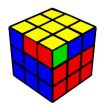
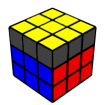
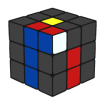

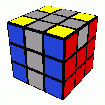
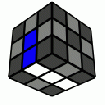
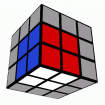


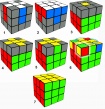
Featured article  Today's featured article Ortega Method. The Ortega Method, also known as the Varasano Method, is a 2x2x2 and 3x3x3 speedsolving method named after Victor Ortega or Jeffrey Varasano, depending on which method name is used. It was independently invented by Victor Ortega and Josef Jelínek, whose ideas were inspired off of Jeffrey Varasano's corners first method, which has sparked some naming controversy in the community started by Chris Olson after posting a video on YouTube about the matter. It is currently the most popular intermediate 2x2x2 solving method. |
How to Contribute
|






Community
Speedsolving.com Wiki is written by cubers, for cubers, and needs your help: fix a typo, update a record, add a method you know. For more information about the purpose of this Wiki and how to edit, please visit the about page.
Never edited a wiki before? See the MediaWiki editing help page.
|
Featured picture  |
Did you know |
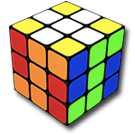
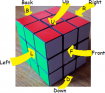
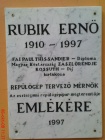
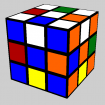
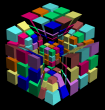
The 3x3x3 cube (also known as "Rubik's cube" and "magic cube") was invented by Ernő Rubik in 1974, and became a worldwide craze in the early 1980s. This is a mechanical and geometric puzzle composed of 26 elements (called cubies), which can be moved with a system of axes, that is hidden in the center of the cube. Each of the six faces is covered by 9 stickers, among six solid colours (traditionally being white, yellow, orange, red, blue, and green). The system of axes enables each layer to turn independently, thus mixing up the colours. For the puzzle to be solved, each face must be a solid colour. It is the world's best-selling puzzle, with well over 450 million cubes sold worldwide. It has inspired many widely available variations such the 2×2×2, the 3×3×3, the 4×4×4, the 5×5×5, larger sizes ones, the Pyraminx (tetrahedron), the Skewb Diamond (octahedron), the Megaminx (dodecahedron) or the Dogic (icosahedron). All of these items belong to a broad category of puzzles commonly referred to as "twisty puzzles". Some twisty puzzles are shape-shifting (such as the Square One) or custom-built (such as shape modifications of existing mechanisms). Many subjects have been built around cubing:
|




|
|