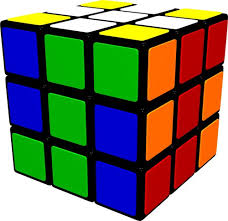
The ZZ method is a popular speedcubing method used to solve the Rubik's Cube. Variants of the ZZ method differ in their steps and algorithms, aimed at optimizing different aspects of the solve, such as move count, look-ahead, and algorithmic complexity. Here are five variants of the ZZ method, listed in order of speed from fastest to slowest, based on common consensus and community feedback:
1. ZZ-a
- Speed: Fastest
- Description: This variant focuses on minimizing the number of rotations and optimizing the efficiency of the algorithms used. It emphasizes low move count and reduced look-ahead times, making it the fastest variant for experienced solvers.
2. ZZ-b
- Speed: Very fast
- Description: ZZ-b improves on the standard ZZ method by using advanced algorithms for the last layer, resulting in faster solve times. It requires more algorithm memorization but significantly enhances solve efficiency.
3. ZZ-d
- Speed: Fast
- Description: ZZ-d uses a different approach for the last layer, incorporating COLL (Corner Orientation of the Last Layer) and EPLL (Edge Permutation of the Last Layer) techniques. This variant strikes a balance between speed and algorithm complexity.
4. ZZ-CT (ZZ-Collins-Cornell-Tucker)
- Speed: Moderately fast
- Description: ZZ-CT simplifies some steps of the standard ZZ method while still aiming for efficient solves. It's a good middle-ground variant, offering a balance between ease of learning and solving speed.
5. ZZ
- Speed: Standard
- Description: The original ZZ method, which is still quite fast but not as optimized as the other variants. It involves EOLine, F2L, and a standard last layer solution, making it slower compared to its more advanced counterparts.
Each of these variants is tailored to different levels of solver skill and preference for algorithm complexity versus solving speed. Advanced cubers often prefer ZZ-a or ZZ-b for their speed advantages, while those looking for a balance between ease of learning and efficiency might opt for ZZ-d or ZZ-CT.