

Dan the Beginner
Premium Member
Do you think this will work?
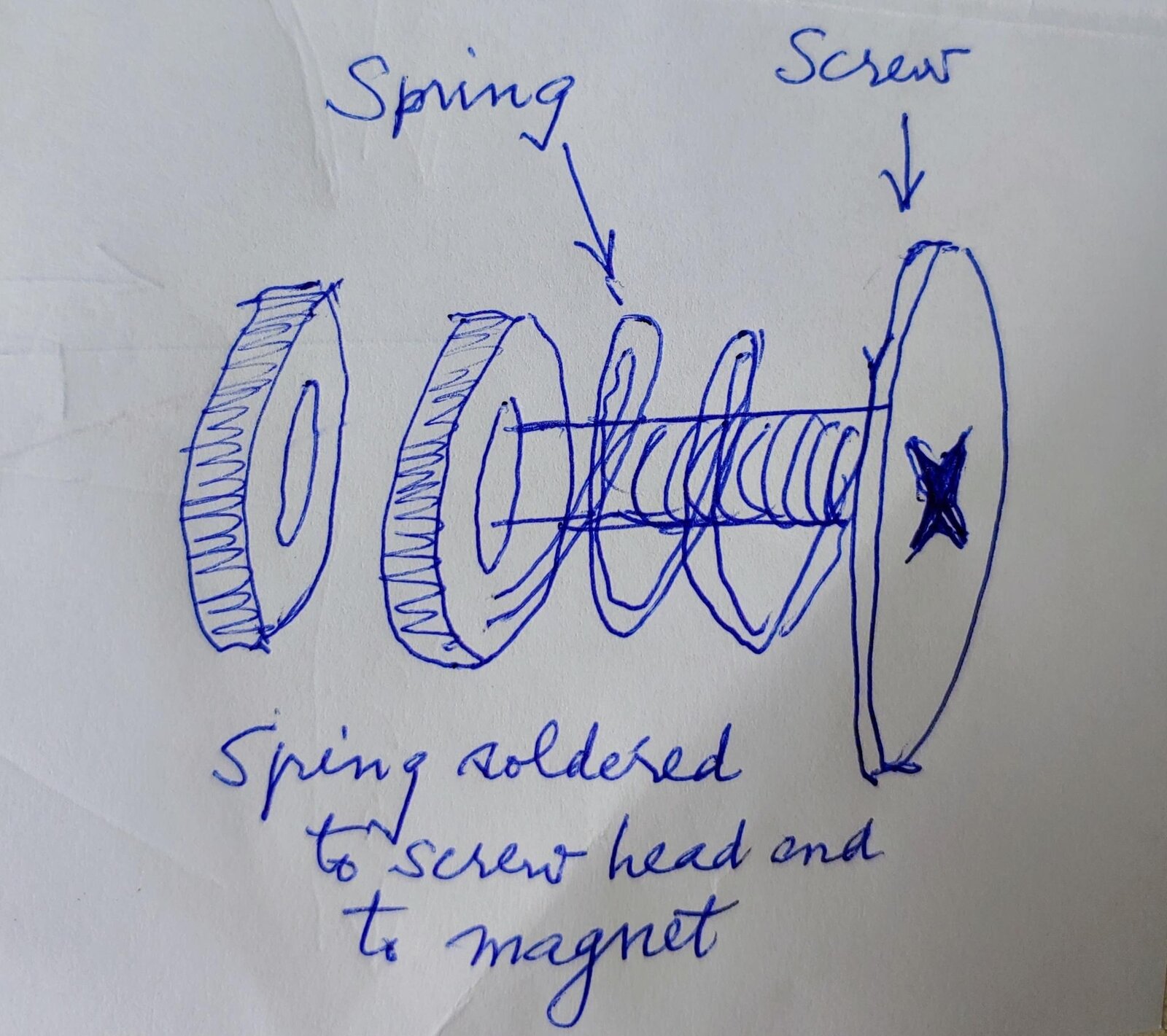
The idea is to make Maglev cubes more like a traditional cube, more user controllable or progressive in turning (without it jumping to the next position). I think it should eliminate most of the friction, harshness and noise like current Maglev systems do, but also reduce some weight (since springs are lighter than magnets) as it improves performance when we can "flatten the curve" a bit, the curve that results from the non-linear force-to-distance characteristics of repulsing magnets. The soldering means there should be no turning or friction between magnet/spring/screw.
The design
The problem. The main cause of the potential problem with current Maglev systems are besides weight, the funny feel, the loss of control (freewheeling as the layer levitates). There is also a concern due to the different feel, when one uses both Maglev and non-Maglev cubes. The following diagram explains the curve that causes these potential problems, a result of the non-linear magnetic force.
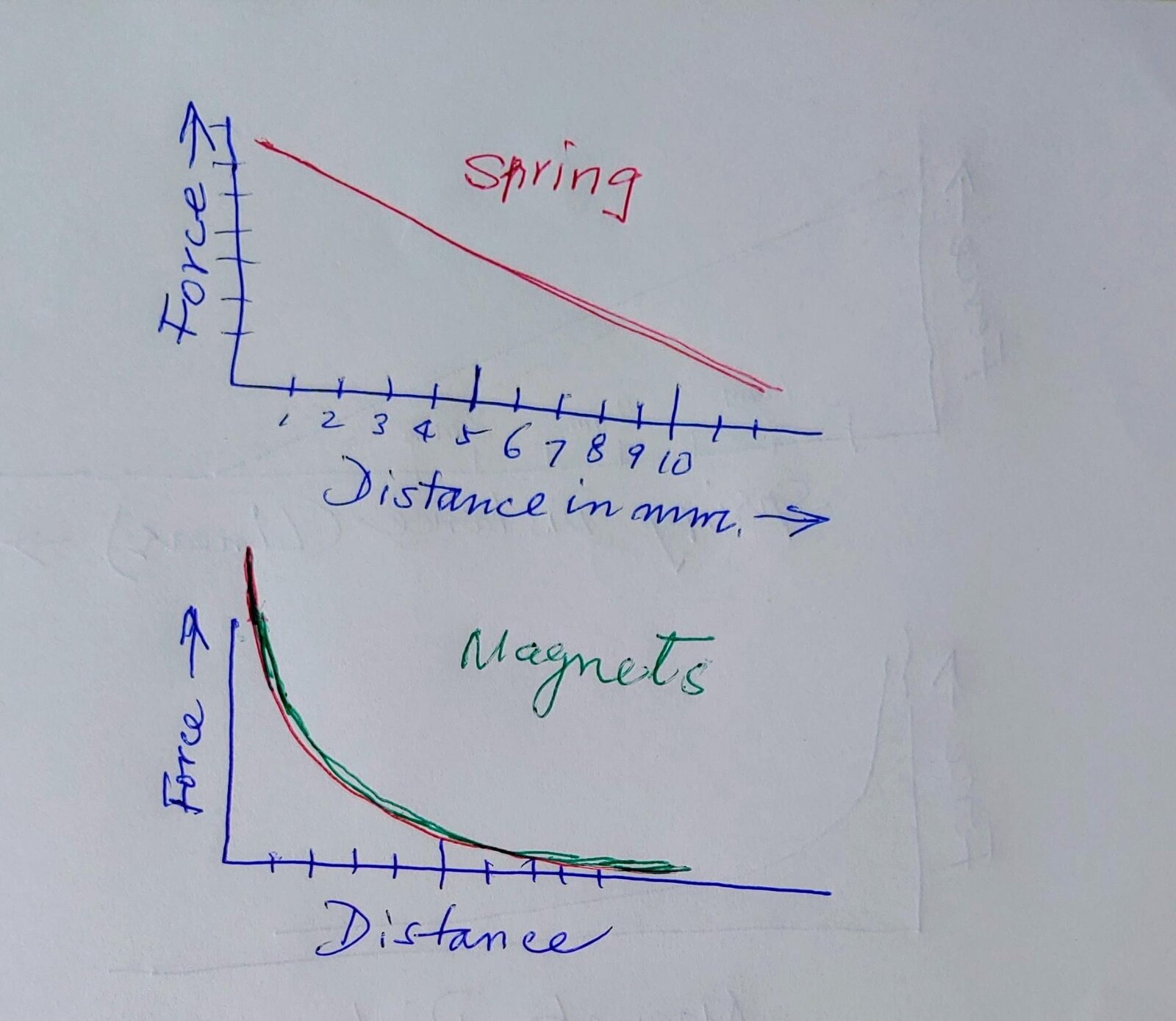
The theory
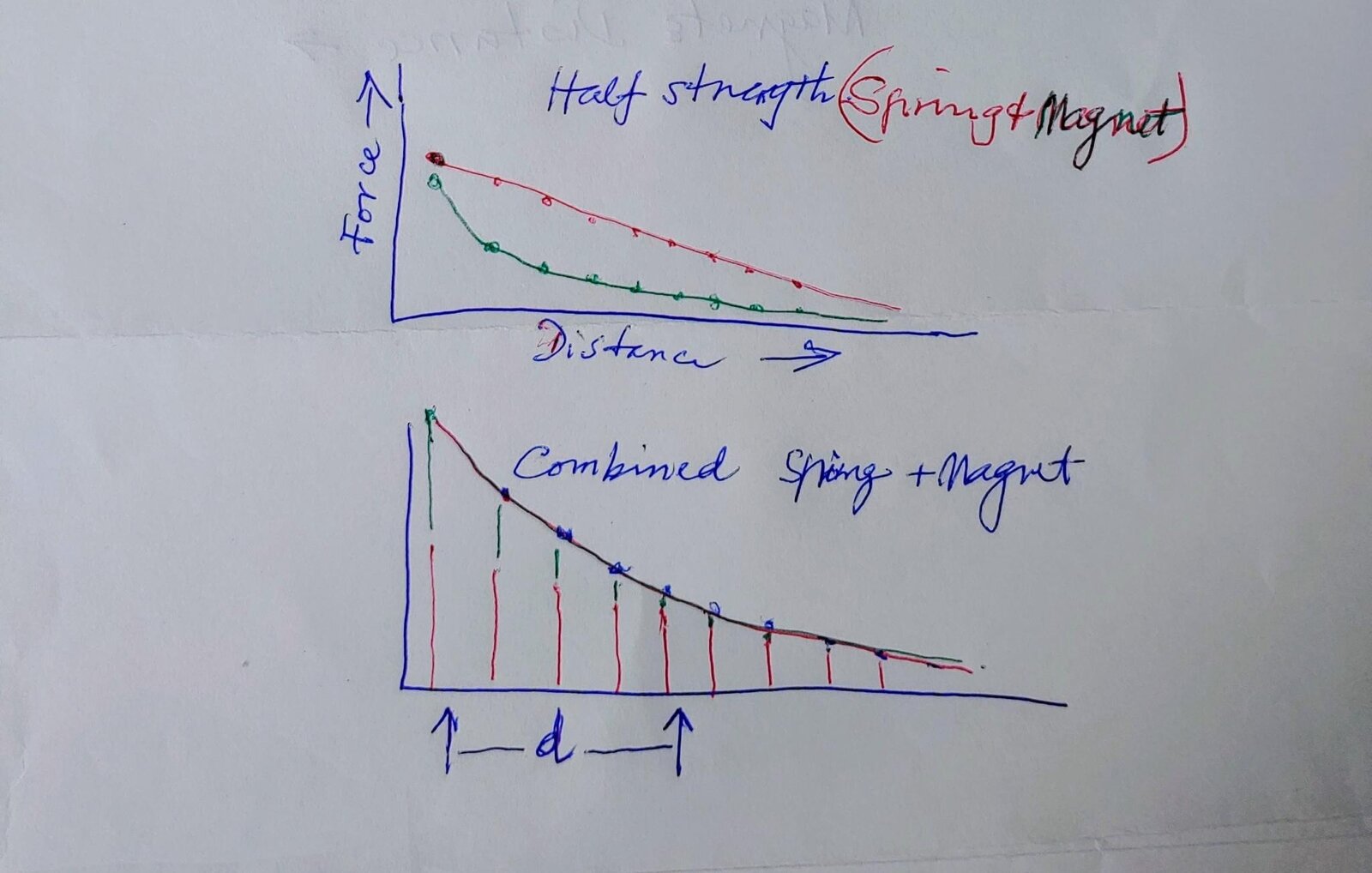
It says "Half strength" spring or magnets (compared to what is normally used now), but that is just for illustration. The right combination of strengths need to be adjusted through experimentation to find the optimal values to provide a good performance over the working range "d", which is the 2mm or so of distance between the range of screw distance settings that a properly set up cube will have for most cubers. Where this range is placed will affect the linearity and feel, and the placement should be adjustable using different travel distances and magnet strength.
Nothing serious, just a bit of fun on a slow day. All comments welcome.
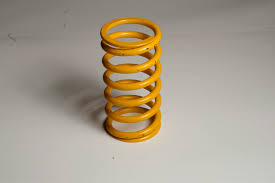
Edit. I just realised that the diagram is too simplistic. The spring should have ends that are flat rings, like in this photo, so that the pressure it exerts on the screw head and on the magnet is evenly distributed.
The idea is to make Maglev cubes more like a traditional cube, more user controllable or progressive in turning (without it jumping to the next position). I think it should eliminate most of the friction, harshness and noise like current Maglev systems do, but also reduce some weight (since springs are lighter than magnets) as it improves performance when we can "flatten the curve" a bit, the curve that results from the non-linear force-to-distance characteristics of repulsing magnets. The soldering means there should be no turning or friction between magnet/spring/screw.
The design
The problem. The main cause of the potential problem with current Maglev systems are besides weight, the funny feel, the loss of control (freewheeling as the layer levitates). There is also a concern due to the different feel, when one uses both Maglev and non-Maglev cubes. The following diagram explains the curve that causes these potential problems, a result of the non-linear magnetic force.
The theory
It says "Half strength" spring or magnets (compared to what is normally used now), but that is just for illustration. The right combination of strengths need to be adjusted through experimentation to find the optimal values to provide a good performance over the working range "d", which is the 2mm or so of distance between the range of screw distance settings that a properly set up cube will have for most cubers. Where this range is placed will affect the linearity and feel, and the placement should be adjustable using different travel distances and magnet strength.
Nothing serious, just a bit of fun on a slow day. All comments welcome.
Edit. I just realised that the diagram is too simplistic. The spring should have ends that are flat rings, like in this photo, so that the pressure it exerts on the screw head and on the magnet is evenly distributed.
Last edited:


 If companies want to get rid of spring noise, weld or glue the spring to a metal washer (like I tried with my RS3M 2020) or encase the spring in its own subassembly like GES nuts.


