
M
Mr.Ducky
Guest
Toturial for method: https://sg.docworkspace.com/d/sbPa4bXAa4sSv2kL_s9uzw9ifsxujw1izcd
The FRNB method stands for Freedom+Roux But Not, and as in the name, you can have alot of flexibility in doing f2l in this method, similar to what is seen in roux and apb methods. The roux but not part is having to do 1 step from the roux method which is orientation of yellow corners.
Explanation:
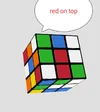
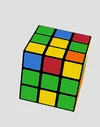
Step 1:FFTL
It stands for Freedom First Two Layers, and you do this part similar to what is seen in apb, but without any white edges orientated. It generally gives alot of speed and flexibility, anyone who uses apb or roux i think would like this.
Step 2: RBN
This step stands for Roux But Not, where you do only one step from roux, which is orientation of yellow corners. This method is not really necessary if you know all olls and arent really fast at doing this step, but when you fix all the yellow corners and do step 3, you end up with only 3 possible oll cases.
Step 3: OWE
I named this step owe because you basically owe the white edges their place after step 1, it stands for Orientation of White Edges, you can do this using only M and U moves or other methods.
Step 4: 3Oll+Pll
Now you can solve the rubiks cube normally, but you only have 3 possible oll cases, which are the ones that only require the orientation of the yellow edges. The final step is pll, which you may do in any way you want.
What do you think about this method? I have tried it alot and its actually pretty quick and efficient, I think it is best for intermediates/beginners at the rubiks cube who dont want too much algroithems. I might do a toturial document on this method.
Attachments
Last edited by a moderator:


